November 14, 2025
Top Fashion Scams in India 2025: How Fake Online Stores Are Tricking Shoppers
tanishka-ratn
By ScanMonk Editorial Team
Online shopping in India is exploding. With lakhs of new fashion brands appearing on Instagram, Facebook, and short-video platforms, the convenience is unbeatable. But so is the risk.
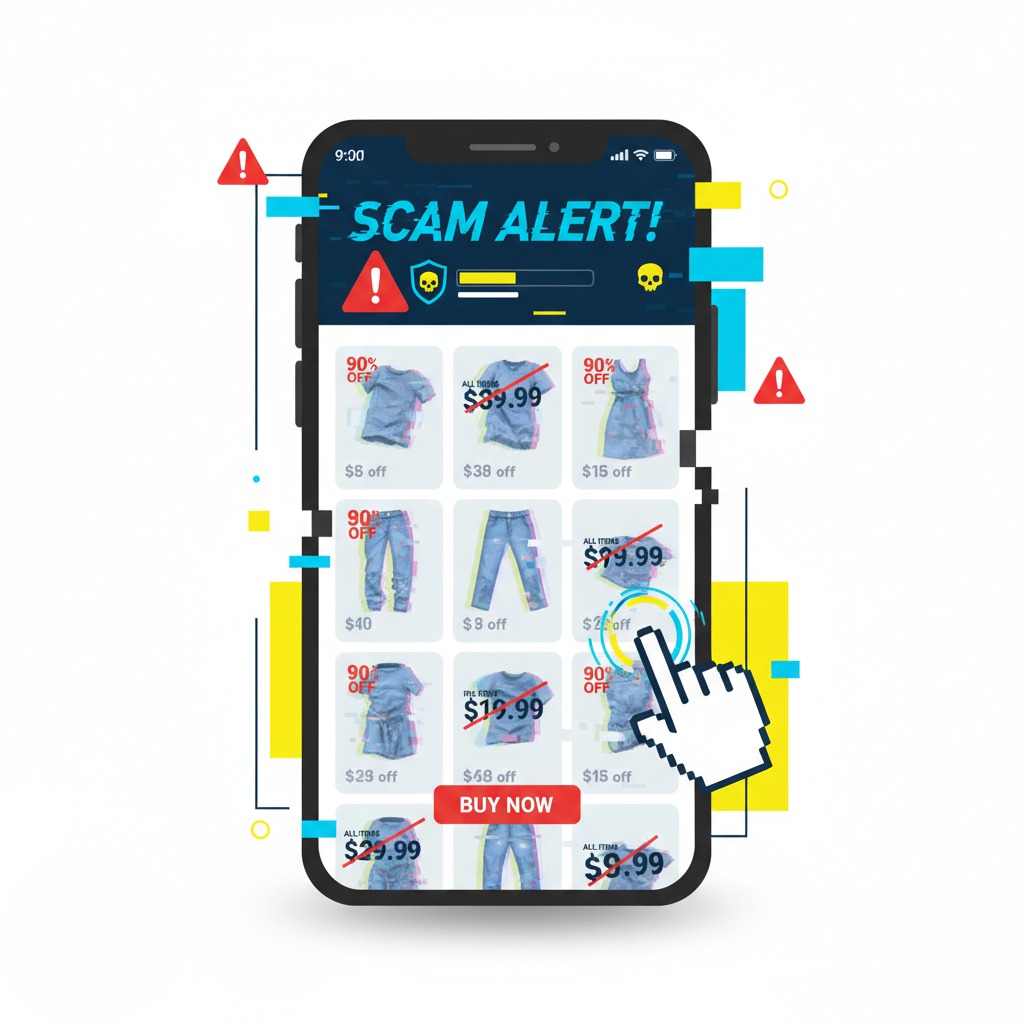
Every day, thousands of users fall for fashion scams in India. From fake websites and cloned Instagram stores to COD parcel traps and “influencer discount” scams, fraudsters are getting smarter and faster.
This guide highlights the most common fashion scams in India 2025, real examples, red flags, and how you can protect yourself using simple verification steps.
What Are Fashion Scams?
Fashion scams are fraudulent online stores or sellers pretending to be real fashion brands.
They usually offer:
- Heavy discounts
- Viral trending outfits
- Zero transparency
- No returns or refunds
- Fast COD delivery traps
These stores look real but disappear the moment you face an issue.
Why Fashion Scams Are Rising in 2025
There are three major reasons:
1. Explosion of D2C brands: India has more than 70,000+ D2C fashion stores, with hundreds launching every month. Scammers hide among them.
2. Consumer trust gap: Shoppers trust visuals and discounts more than authenticity. Fraudsters take advantage of this psychological loophole.
3. Influencer-based shopping: Fake influencer promotions, viral reels, and aesthetic product shots make scam stores look “premium”. And this leads to millions in consumer losses every month.
Top Fashion Scams in India 2025 You Must Know
1. Instagram-Only Clothing Stores With No Physical Identity
This is the #1 scam format.
Pages appear suddenly with:
- 200–1,000 followers
- No address
- No customer reviews
- Similar-looking models and AI-generated photos
These pages take money and then vanish.
High-risk keywords: "cod available", "first copy", "imported", "premium export", "blouse on order"
2. Viral "One-Time Clearance Sale" Scams
These ads tell you:
- “Everything under ₹499”
- “Warehouse clearance”
- “Last 24 hours' sale”
In reality:
- Products are never shipped
- Or you receive poor-quality items
- Or your card details get saved for fraud
3. Fake COD Parcel Scam (Doorstep Trap)
The new trending scam of 2025.
You receive a COD parcel with:
- Your name
- Correct address
- A fake invoice
You pay ₹500–₹1500 and receive:
- A cheap cloth
- A towel
- A Chinese product
- Sometimes even paper
Once paid, no returns.
4. Duplicate Website Scam (Fake Clones of Real Brands)
Fraudsters clone legit brands like:
- Urbanic
- H&M
- Zudio
- Westside
- Meesho sellers
The website looks identical, but the payments go to scammers. If the domain looks like: urbanic-sale.com, hm-limited.in, westsideoffer.shop, urbanic-clearance.net, It’s fake.
5. Influencer Discount Code Scam
Fake influencers promote:
- “Use my code for 30% off”
- “Brand sent me this dress.”
Often the dress:
- Never exists
- Is stolen content
- Is it fake AI-generated imagery
These scams recently went viral on TikTok, YouTube Shorts, and Reels.
6. WhatsApp Fashion Catalog Scam
Fraudsters add you to groups and send catalogs with:
- Lehenga
- Kurti sets
- Sarees
- Bridal wear
You pay online and never receive any product.
Common Red Flags of Fake Fashion Stores
Here are universal signals:
✔ No Customer Support
✔ No Return Policy
✔ Prices Unbelievably Low
✔ Website Less Than 6 Months Old
✔ Only UPI Payments
✔ No Reviews on Google
✔ Blurry or AI-generated Model Photos
✔ COD On Random Parcels
If even 2–3 of these appear, stop immediately.
Real Example: Lavanya The Label & Aachho Complaints Surge
Thousands of users reported:
- Poor quality
- No returns
- In-transit status manipulation
- Forced store credits
- Poor stitching
This is exactly why platforms like ScanMonk exist — to verify the reality behind brands before you spend money.
Why Fashion Scams Work So Easily
Because scammers understand one psychological hack:
Users trust visuals, not legitimacy.
Pretty photos.
Influencers.
Aesthetic videos.
Cheap discount codes.
These act as emotional triggers.
Scammers play on impulsive buying behaviour.
How to Protect Yourself (The ScanMonk Method)
1. Verify Before Buying
Use ScanMonk.com to check:
- Brand legitimacy
- Website age
- Consumer reviews
- Verified business information
- Risk score
2. Search “brand name + scam” on Google
If 3 or more complaints appear — avoid.
3. Never trust COD parcels without confirmation
Call the brand first.
4. Check return policy BEFORE purchase
Fake brands hide refund rules.
5. Don't trust deepfake influencer videos
Scammers now use AI-generated models.
Why ScanMonk Exists
ScanMonk isn’t a review site.
It is India’s trust infrastructure for D2C shopping.
We help you:
- Verify brands
- Check website legitimacy
- Report scams
- View consumer stories
- Avoid fraud before it happens
With over 20,000+ active users and 4,000+ listed brands, we are building a safer internet — one purchase at a time.
Conclusion
Fashion scams in India are rising fast, but awareness and verification can protect you.
Next time you shop from a trending brand or Instagram store, take 10 seconds and check it on ScanMonk.
It might save your money, data, and peace of mind.
Stay smart.
Stay aware.
Stay scam-free.